Are you wondering how to treat or prevent pasty butt in chickens? If yes, this is the right place for you as I have completely overhauled my existing guide specially for you.
Chicks are generally cute and adorable creatures, and their sweet little peeps are always a delight to our ears.
But then…in the initial days of their life, those moments of curiosity, innocence, and charm, they are most vulnerable, and sometimes to conditions that might appear harmless yet lethal, like pasty butts!
So, what exactly is a pasty butt, what causes it, and how can you manage it to keep your chicks happy and healthy?
Let’s find out!
What Is Pasty Butt In Chickens?
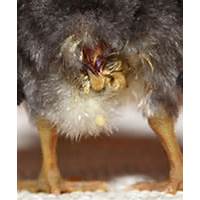
A pasty butt is simply a condition whereby a bird’s vent area becomes clogged with poop, preventing any further excretion. It’s sometimes called vent gleet and is typically more common in chicks, usually under 10 days old, although I have also seen rare cases in older chickens.
When a chicken (or should I say a chick?) has a pasty butt, it means that they can’t poop, and so any waste generated from digestion remains trapped on the inside.
Chicks produce sticky poop in the first few days after they’re hatched. At only a few days old, a chick’s digestive system is still not fully developed. This means they are not making enough of the digestive enzymes they need.
When the digestive enzymes are still getting up to speed, digestion can’t happen fully, making the excretion sticky. Usually, this is normal and shouldn’t cause any problems for the chicks as long as the poop is completely cleared from the vent area before it’s too late.
In most cases, it’s the chicks’ mother hen who plays the role of clearing this area. But when she’s out of the picture or unconcerned, this sticky poop might dry up launched into the vent area, causing issues for the young bird.
What You Should Do When Your Chickens Have A Pasty Butt?
If you’re ordering baby chicks from a store, check them upon arrival for any stuck poop in their vent area. I’ve trained myself to do that as part of the initial measures after receiving baby chicks and trust me, sometimes transportation stress causes this problem.
Once you notice that your chicks have a pasty butt, respond immediately. Otherwise, the condition might cause more complications and even death if left unaddressed.
Here are three steps you should take:
Step 1: Ensure It’s Actually The Chick’s Butt
I know this might sound a bit crazy, but sometimes it’s possible to mistake a chick’s belly button (sometimes called navel) for their vent area. These two are closely situated in chicks, so ensure that you’re actually examining the butt and not the navel.
Step 2: Soak The Area
Once it’s clear that you’re dealing with a pasty butt, get some warm water in a disposable container and soak the area. It will soften the dried substance, making it easy to wipe off.
Alternatively, you can use a warm, wet washcloth to wipe the dried poop. When using the warm wash cloth, move it slowly on the chicks’ bottoms to prevent injury. You can use a Q-tip too after you soak it in warm water
Step 3: Dry The Area
After wiping off the pasty substance, dry the area with a clean, soft towel. Then, get a hairdryer to remove any water on the feathers. Please remember to be very careful when using one though, as any mistake can result in serious injuries. Ideally, hold the hairdryer at least 8 inches from the chick and remember to work with a low setting.
Some people actually run the pasty butts under warm water to help dissolve the poo. Make sure the room you do it in is well heated. Dry the chicks off before putting them with the other chicks so their butts do not draw attention.
And that’s it! You’ve successfully solved the problem! But remember to keep the handling of the chicks gentle. They’ll appreciate it, and it is an excellent way of training them that it’s absolutely okay to be handled, making it even easier to inspect them for pests when they’re older.
Also, keep in mind that you should never try to pull off the dry droppings from the chick’s butt. You may end up plucking some of the pasty goop, irritating the skin, which then may cause other chicks to peck at it, causing more complications and, sometimes, killing off the chick.
Here’s a video showing the steps discussed:
How To Prevent Pasty Butts In Chickens
Pasty butts in chickens can sometimes be impossible to prevent, considering that the condition can stem from various causes, from transportation stress to an underdeveloped digestive system and improper diet.
In the case of transportation stress, there’s little you can do but treat it. But for the rest, you can try the following measures:
Use Proper Diet
Ensure that you use the proper diet for your chicks. Ideally, only use a starter diet for the chicks, right from day one to 18 weeks old. This diet contains the proteins, amino acids, vitamins, and minerals they need at that stage and their digestive systems can handle.
Offer Fresh, Clean Water
Your young chickens need fresh, clean water just as much as the older ones. So, ensure that they have a lot of it. Water plays numerous roles in the body, including facilitating digestion. Hence, to have everything go smoothly in the little birds’ gut, provide constant access to clean drinking water.
Delay The Treat
If you’re like me, you’ll find tossing a few treats to your chicks tempting. But don’t do it! Treats, especially those high in sugar and fiber, can be difficult for the chicks’ delicate digestive system to handle. If it helps, maybe throw a few extra treats to your older ladies to avoid any digestive complications.
Maintain Proper Temperature
How many of your chicks have a pasty butt? If there are more than one or two of them, especially where they haven’t been transported recently, it might suggest that the problem is improper temperature.
When the temperature is too cold, the chicks are more likely to huddle together, causing stress and digestive issues that eventually lead to pasty butts. In the case of high temperatures, they might become dehydrated, causing dry droppings that are more likely to get stuck on their butts.
The rule of thumb is to keep the brooder at a temperature of 95°F in the first week. Then, decrease that temperature by 5°F each week.
This amazing little gadget avoids the problems of dealing with lamps, and warms up like a mother hen! They are so much cheaper to run, suit use if you are off the grid Whoever comes up with this kind of thing is super clever. Definitely get one if you are struggling to get the temperature right.
Keep the Brooder Clean
How you keep the brooder is also important if you want to prevent pasty butts. Dirty brooders will often cause stress to the chicks and might even expose them to bacterial conditions, both of which can lead to pasty butts. So, change bedding regularly (every 3 or 4 days) and keep the area well-ventilated.
Check Chicks for Pasty Butt Daily
Of course, you don’t want to leave your chicks unmonitored for long. I usually inspect each of my chick’s vent areas once a day, at least until they’re 10 days old. Once I notice droppings beginning to build up, I clean them immediately using the steps we just went through together.
Safeguarding Your Flock Against Pasty Butt in Chickens
Pasty butt, although common in chicks, can be prevented. By maintaining proper temperature, sticking to the proper diet, and closely monitoring your chicks, you can significantly reduce the chances of this potentially lethal condition happening. And remember, pasty butt in chickens is easy to handle if it occurs, so don’t panic.
My website is community supported. This page contains affiliate links. If you click and purchase through my links, I may earn a small commission. This never changes the cost to you. I only recommend items trusted and loved by myself and others in the world of Pet Chickens.
Frequently Asked Questions About Pasty Butt in Chickens
Q: What causes pasty butt in chickens?
A: Pasty butt in chickens is often caused by an underdeveloped digestive system, transportation stress, or improper diet. It can also be exacerbated by environmental factors such as temperature and cleanliness.
Q: How common is pasty butt in older chickens?
A: While pasty butt is more common in chicks under 10 days old, it can occasionally occur in older chickens, especially if they experience stress or digestive issues.
Q: Can pasty butt be prevented entirely?
A: While it’s challenging to prevent pasty butt completely, maintaining a proper diet, ensuring clean living conditions, and monitoring chicks regularly can significantly reduce the risk.
Q: What are the signs of pasty butt in chickens?
A: The primary sign of pasty butt is a blockage of the vent area with dried feces, which can prevent normal defecation.
Q: How do I treat pasty butt in chickens without causing harm?
A: Treat pasty butt by gently soaking the affected area with warm water, then carefully wiping off the dried feces. Never pull on the dried droppings to avoid injury.
Q: Can pasty butt lead to other health issues in chickens?
A: Yes, if left untreated, pasty butt can lead to more severe health complications, including infection and death.
Q: How often should I check my chicks for pasty butt?
A: It’s recommended to inspect your chicks daily, especially during the first 10 days of life, to catch any signs of pasty butt early.


Pingback: Love protein? Raise your own eggs « Cynthia Rosi
1. problem come from customers pinpoint to my hatchery because of pasty butt.
All this happen after few days after delivery’.
Pingback: Chicks butts | Kinolyar
We just got our very first chicks ever. I brought them home and 2 are just a mess. They had a ball of poop the size of a quarter stuck to their ends and I’m sure they are sick. They can’t even stand up! I washed them with warm water but their bottoms are just so raw looking now. Can I put anything on them or do they heal on their own!
Mary wrote directly to Melissa: “It sure does sound like pasty butt. Did you continue to soak them? Although their bottoms do look so raw, they do usually heal. How are they doing?” and Melissa answered with this good news: “They are doing great! We’ve had them for just under a week now and it’s shocking how fast they are growing! We are just in love. The two that were the worst off still need their little bums cleaned daily but they are doing really well I think. I had a neighbor lady come over and look at them. I didn’t end up putting anything on them and their feathers are regrowing well. I’m sure it was that dreaded pasty butt. I hope they get over it soon, but I’ve been told it can take a few weeks. I did get great info from your site though, so thanks! It’s amazing how fun being a hobby farmer is already. Thanks, Melissa”
Pingback: 4 Lessons Keeping Backyard Chickens Have Taught My Kids
My week old chick has a mild case of pasty butt, I have cleaned it with warm water and a cloth as the chick us having to be hand reared due to mum abandoning it. It is very quiet afterwards and just sitting there, is this normal?
Hi Yve,
Good on you for taking care of this little chick! And also for looking after Pasty Butt before it gets worse.
Some Chicks seem to go quiet for a while, and others seem to love it… Make sure you place it back in a nice warm place, or heat lamp or whatever is available.
So long as they keep warm and are well fed, they should be happy. If you don’t look after them, the alternative is much worse!
Good Luck