PET CHICKEN

Raising Leghorns: White Leghorn, Brown Leghorn, and Pet Chicken Advice

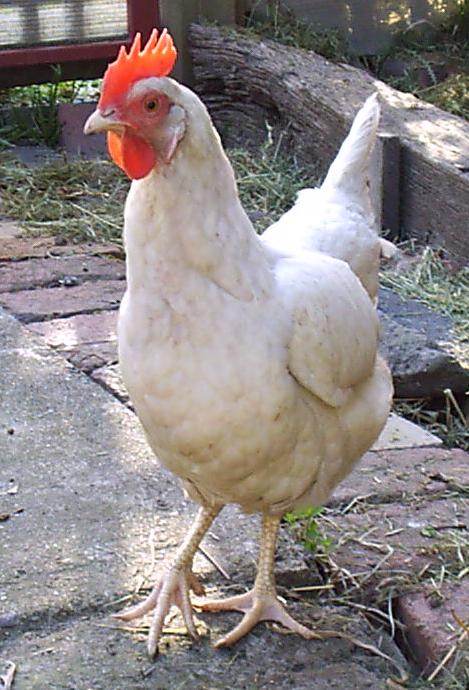
White Leghorn chicken standing alert in a backyard flock

Keeping Leghorns wasn’t my priority when I began my chicken farming journey.  Initially, I was drawn in by colorful eggs and the quirky personalities of backyard breeds. But as the focus shifted to egg production, everyone pointed me in one direction: The Leghorns. 

Sure, I’d heard multiple stories about the reliability of Leghorns in egg laying, and let me tell you, despite not being the cuddliest of breeds, these birds are just too good at laying eggs!

In this blog post, we take a walk through the Leghorn chicken breed. We’ll discuss the personality, egg production capabilities, coop preferences, dietary requirements, and so much more about this breed, so keep following closely.

Breed Summary Table

CriteriaDescription
Breed NameLeghorn
Ideal For FamiliesNot cuddly, but neither is it aggressive. 
TemperamentSuper-curious and energetic.
Egg Production5 to 7 eggs per week
Egg ColorWhite
Egg SizeReliably large
Coop Space Requirements4 square feet of coop space and at least 8 feet of run-in space per bird
Climate SuitabilityHighly adaptable, but does better on hotter days than colder ones.  
Lifespan 5 to 8 years
BroodinessRare
Breed CompatibilityYes
Foraging AbilityExcellent 

Family Friendliness

Suitability for Families with Children

I won’t lie: If you want a chicken breed that your kids can pet, Leghorns aren’t one of the breeds that fit that purpose. They aren’t the kind that kids can cuddle. They’re more skittish, fast-moving, and standoffish, especially compared to other popular breeds like Rhode Island Reds and Barred Rocks.

But that’s not to say they’re aggressive. Not at all. They’re just independent birds that will time and again choose to explore their environment rather than sit on your kids’ laps. 

Temperament

Leghorns are highly energetic and super-curious birds. Mine are almost always on the move, and sometimes will follow me when I’m moving around, say, when feeding other animals. But that has purely to do with their curiosity and foraging instincts, and not seeking human attention. 

White Leghorn chicken perched on a blue chair with strawberries

Egg Production & Quality

Egg-laying Capacity

If you intend to grow your egg production, this is where Leghorns shine the most. Whether you go for white leghorns, brown leghorns, or even spotted leghorns, you can count on these birds to grow your egg count at a very fast rate. 

Each week, I collect 15 to 20 eggs from my three white leghorns: Luna, Coco, and Lily. That’s 5 to 7 eggs per chicken every week; more than from my Rhode Island Reds and other breeds in my flock on average.

And even better, I noticed that the egg laying begins earlier in Leghorns (at 18 to 20 weeks) than in most other chickens. I’ve heard rare instances where farmers had to wait until the twenty-fourth week. Once laying begins, it goes on reliably throughout the year, although it can slow a bit during the winter due to the shorter days.

Egg Size and Color

Leghorn eggs are white and reliably large. Actually, I never have to guess which eggs are theirs when I collect from the coop; it’s obvious. I’ve found them to be great for baking, boiling, and selling to neighbors who want a classic white egg. 

Coop and Housing Requirements

Space Needs

Since they exhibit an enormous amount of energy, get adequate space before you embrace the idea of adding leghorns to your flock. 

I use a standard 4 square feet of coop space for all my birds, and it seemingly works just fine. As for the run, at least 8 to 10 square feet per bird is adequate to keep the birds from getting stressed and noisier.

Coop Preferences

Leghorns don’t have special coop requirements. Ensure the shelter offers adequate protection from predators, has enough roosting space, and proper airflow. The ramps and perches don’t have to be heavy-duty, as these birds are naturally lean and lightweight.

Flightiness and Containment

Leghorns are very nervous birds. Pairing that with their high energy, they tend to be more flighty, so it can be a bit challenging to keep them put, especially for poultry farmers who are just learning the ropes of chicken keeping. 

But with a taller fence, say 8 feet or more, you can certainly keep them put. Some chicken keepers consider clipping the wings, but I don’t advocate it, particularly if you live in a region with a high predator population, as it can make the birds more vulnerable.

Climate Adaptability

Cold and Heat Tolerance

Leghorns have impressive tolerance to both heat and cold, although they’re naturally inclined to do much better in heat than in extreme cold. Their large combs, although striking, are highly vulnerable to frostbite. 

I usually apply a thin layer of Vaseline if its getting properly cold to prevent damage. I also ensure the coop is draft free but well ventilated. But when the summer rolls around, they thrive perfectly well, staying active even on the hottest days.

Health in Different Conditions

Leghorns are a hardy breed, particularly in my experience. As long as you can keep them safe from severe cold and drafts, you can expect them to stay happy and healthy all year round.  They don’t get broody often, which helps keep their energy focused on laying and not nesting.

Compatibility with Other Breeds

Best Breeds for Mixed Flock

Leghorns will do well in a mixed flock, particularly with other non-aggressive breeds. I house mine alongside Rhode Island Reds, Australorps, and Easter Eggers, without much drama. 

Flock Dynamics

In the pecking order, Leghorns are somewhere in the middle. They’re assertive enough to hold their own but not aggressive enough to cause trouble. Also, they’re fast, which gives them an edge if things get tense. I can’t tell the exact number of times I have seen mine dash away to avoid conflict.

Foraging and Free-Range Ability

Foraging Skills

Besides producing eggs, the other area Leghorns do exceptionally well is foraging. Given the space and freedom to roam around, these chickens invest lots of effort in searching for bugs, seeds, and other edible stuff. That’s good for lowering the feed bill while keeping the chickens entertained. 

Effect on Yard or Garden

While they aren’t among the heavier breeds, Leghorns can still be destructive when granted access to your gardens. I lost a few lettuce heads to curious pecking. So, use fencing or garden netting if you want your veggies to survive.

Health and Lifespan

Common Health Concerns

Leghorns don’t require lots of maintenance. Actually, the only health concern I have observed is the frostbite on their combs. Besides that, they are typically healthy with a proper diet and clean, dry living space.

Lifespan and Productivity

While my current Leghorns are the first I’ve had, chicken experts claim that these birds live for about 5 to 8 years. Egg production, however, is at its peak in the first three years. After that, production gradually decreases, but so gently that you may not even notice the drop-off right away.

Feed and Nutrition

Dietary Preferences

Leghorns aren’t picky eaters. A standard layer feed does the job for my three girls. But don’t be that boring, predictable chicken parent. Toss a treat to your leghorns once in a while. I use greens, mealworms, or even table scraps as occasional treats, and my leghorns love them. 

An occasional oyster shell as a calcium supplement is also highly recommended, especially if you want to improve the quality of their eggshells.

Foods to Avoid

Like all chickens, Leghorns shouldn’t eat moldy, salty, or processed food. Avocado skins and pits, raw beans, and chocolate are also a no-no — and I’ll tell you why.  

Avocado contains persin, a compound that causes respiratory distress, congestive heart failure, and even death in chickens, while beans have phytohaemagglutinin, a potent toxin that can damage your chickens’ intestinal lining. 

Chocolate, on the other hand, has theobromine, a deadly ingredient that, although harmless to humans, can affect the nervous system and heart of chickens. 

Broodiness and Mothering Ability

Frequency of Broodiness

Leghorns aren’t naturally inclined to go broody. I’ve had my girls for four years now, and none of them has tried to hatch eggs. That’s a good attribute if you want to keep the egg production consistent. But if you want to grow your Leghorn population, it’s a major downside.

Mothering Ability

Since they seldom go broody, leghorns aren’t known for mothering skills. If you want to hatch chicks, you may need an incubator. Alternatively, you can use a broody chicken from a different breed to hatch the eggs.

Why Leghorns Are Top Pet Chickens

Leghorns are lean, fast, and focused. That’s almost everything you’d want in a high-performance layer. They aren’t bred to be great lap chickens, but they more than make up for it with their reliable egg production, hardiness, and low feed costs.

If you’re building a flock that puts productivity first, you just can’t afford to overlook the Leghorn. Their elegant appearance and unmatched laying abilities make Leghorns a ubiquitous breed in coops around the world.

Frequently Asked Questions About Leghorn, White Leghorn, and Brown Leghorn Pet Chickens

Q. Are Leghorn chickens good pet chickens for families?

A. Simply put, Leghorn chickens aren’t the cuddliest pet chickens, but they’re not aggressive either. Their independent and energetic nature makes them better suited for families who want reliable egg layers rather than lap chickens.

A. At its core, the main difference is color—White Leghorns are pure white, while Brown Leghorns have a beautiful brown plumage. Both are excellent layers, but White Leghorns are especially famous for their high egg production.

A. The short answer: Leghorn chickens lay 5 to 7 eggs per week. Whether you have a White Leghorn or Brown Leghorn, you can expect a steady supply of large white eggs all year round.

A. Think of it like this: Leghorns are low-maintenance, hardy birds. As long as you provide enough space, a safe coop, and a good diet, both White Leghorn and Brown Leghorn chickens thrive with minimal fuss.

A. Simply put, Leghorns mix well with other non-aggressive breeds. They’re fast and assertive but not bullies, making them a good addition to a mixed flock of pet chickens.

A. At its core, a balanced layer feed works best. Add occasional treats like greens or mealworms, and don’t forget a calcium supplement for strong eggshells. Avoid feeding them avocado, raw beans, or chocolate.

A. The short answer: Leghorns do better in heat but can handle cold with care. Their large combs are prone to frostbite, so keep the coop draft-free and consider applying a protective layer like Vaseline in winter.

2 thoughts on “Raising Leghorns: White Leghorn, Brown Leghorn, and Pet Chicken Advice”

  1. I have 4 chickens
    An orpington, a wyandotte, a plymouth rock and a leghorn.
    The only one that doesn’t like people is the wyandotte.
    They all come out when we go outside and all are hand fed.
    My leghorn pecks at the door to come inside and even steals food from my rather aggressive chihuahua who was the backyard boss until the chickens came along!

  2. Been told I spoil my chickens..well they learned fast when my chickens were producing eggs 2-3 times a day. They asked how because they weren’t getting any. I said simply mine liked being hugged and petted!

Leave a Comment

Your email address will not be published. Required fields are marked *


Scroll to Top